Search
8 results for “oil”

Zelenskyy: North Korea Preparing Another 10,000 Troops for Russia's War in Ukraine
With more than 8,000 North Korean soldiers already on Russian soil, Zelenskyy says Pyongyang is selecting and training another 10,000 — deepening the war's internationalization.

Trump Rejects Iran's Seven-Day Plan to Reopen Strait of Hormuz as Oil Jumps Past $107
Tehran offered to reopen the world's most critical oil chokepoint within a week in exchange for sanctions relief and an end to the blockade. Trump called the terms unacceptable — and markets convulsed.
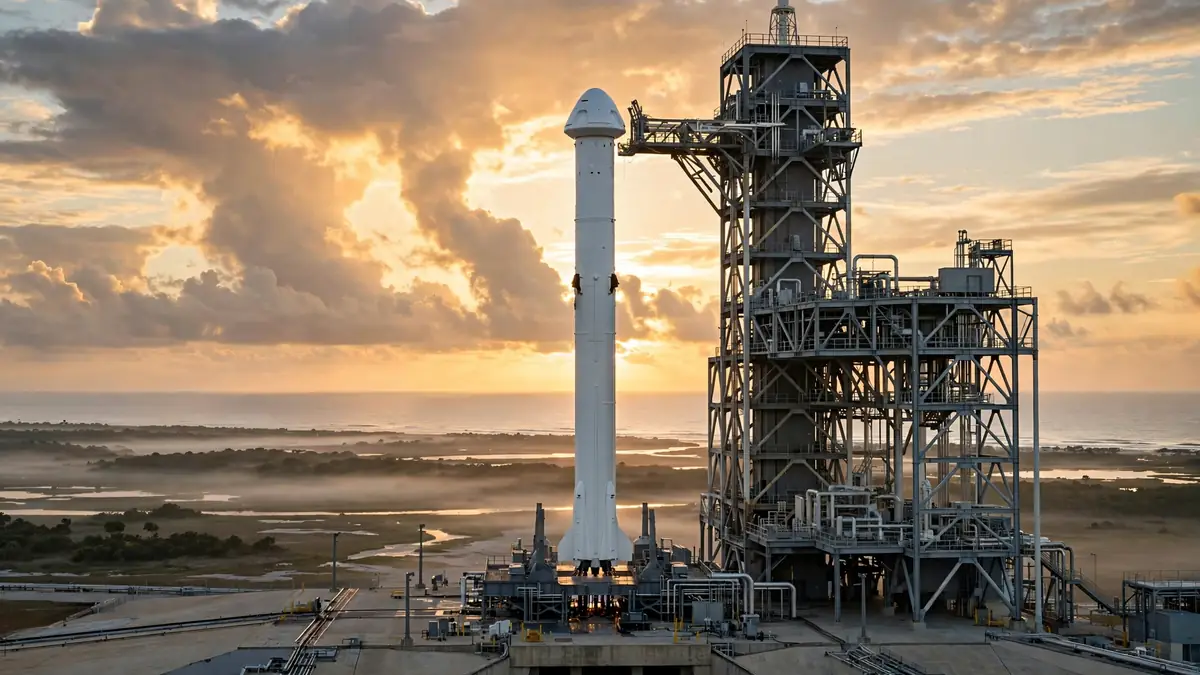
Crew-13: The Astronauts Ending America's Six-Month Launch Drought
Two Americans, one Canadian and one Russian are set to lift off for the International Space Station on October 1 — the first US crew launch since Artemis II.

Central Banks Are Raising Rates Against a War They Can’t End
The RBA hiked to 4.60%, the Fed signals more to come. But interest rates can’t produce oil — and the dilemma has no good answer, only less-bad ones.
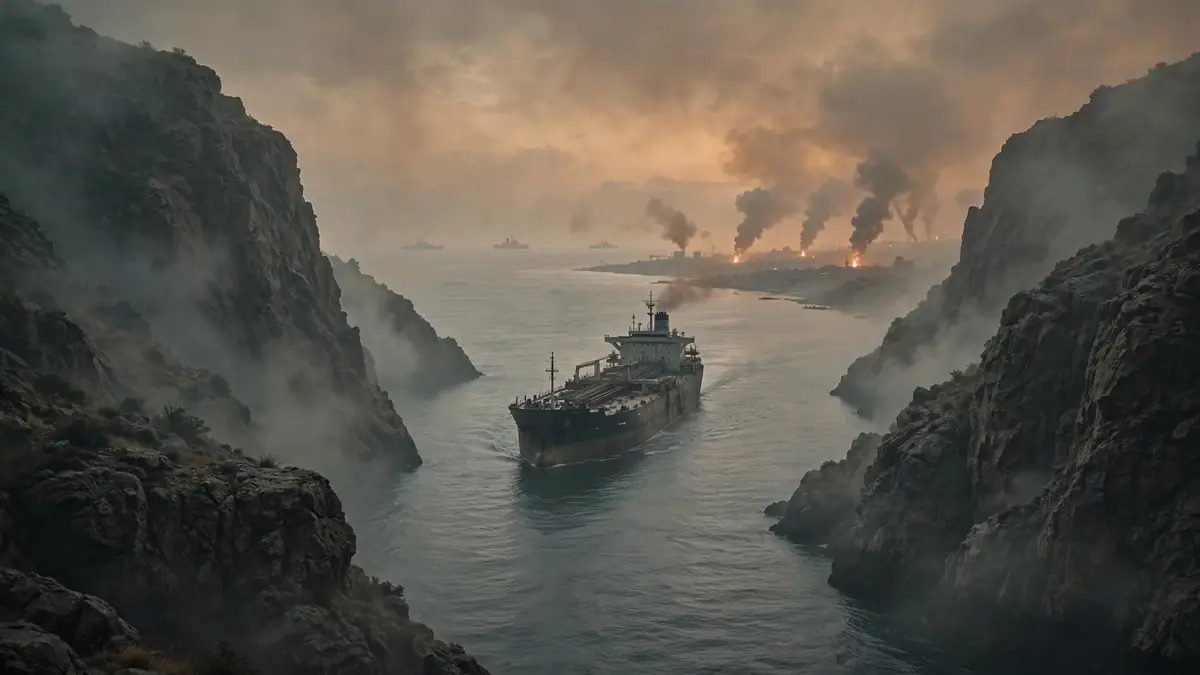
Trump Rejected Iran’s Ceasefire. The Strategy Makes Sense — Until You Count the Cost
Washington says the rejected Hormuz proposal traded permanent leverage for a temporary pause. The ledger of continuing the war is worth reading in full.
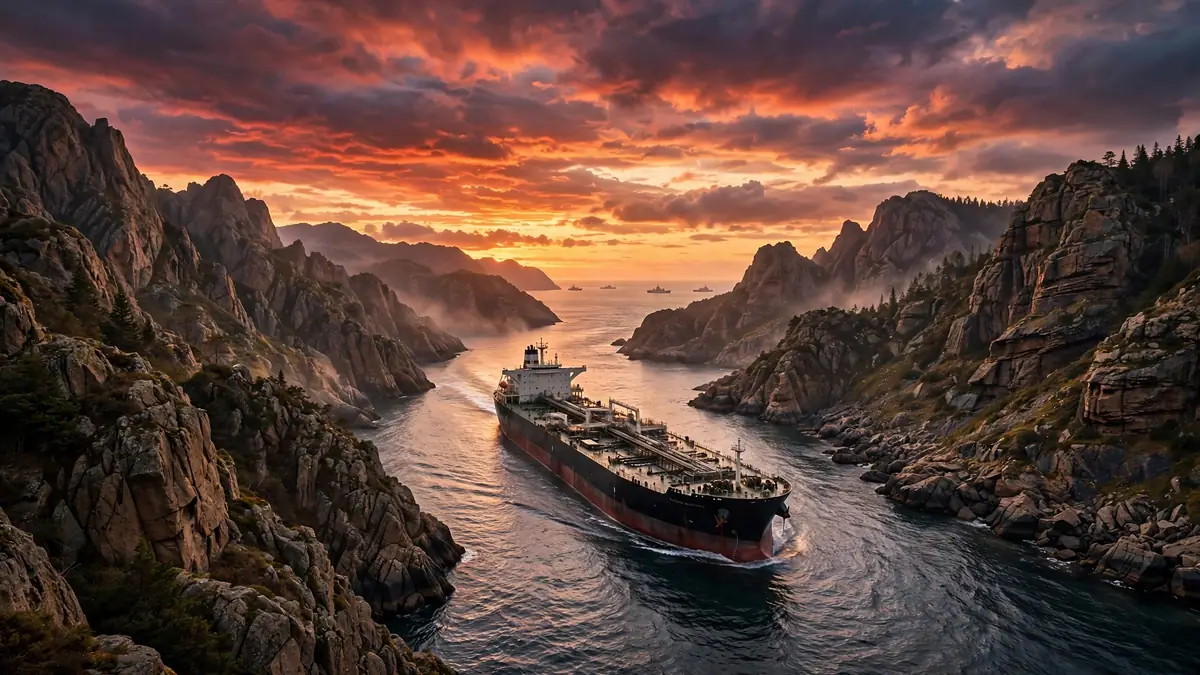
The Seven-Day Strait: What Iran's Rejected Hormuz Offer Means for Oil Prices and the War
Tehran said it could reopen the world's most important oil waterway within a week — if Washington eased pressure first. Trump said no. We explain what was offered, why it failed, and what it means for fuel and inflation.

Turner Prize 2026 Opens in Middlesbrough: Crude Oil, Living Sculptures and the M62
The Turner Prize 2026 exhibition has opened at MIMA in Middlesbrough, with four shortlisted artists taking on oil extraction, living sculpture and the industrial North of England. The winner is announced on 10 December.
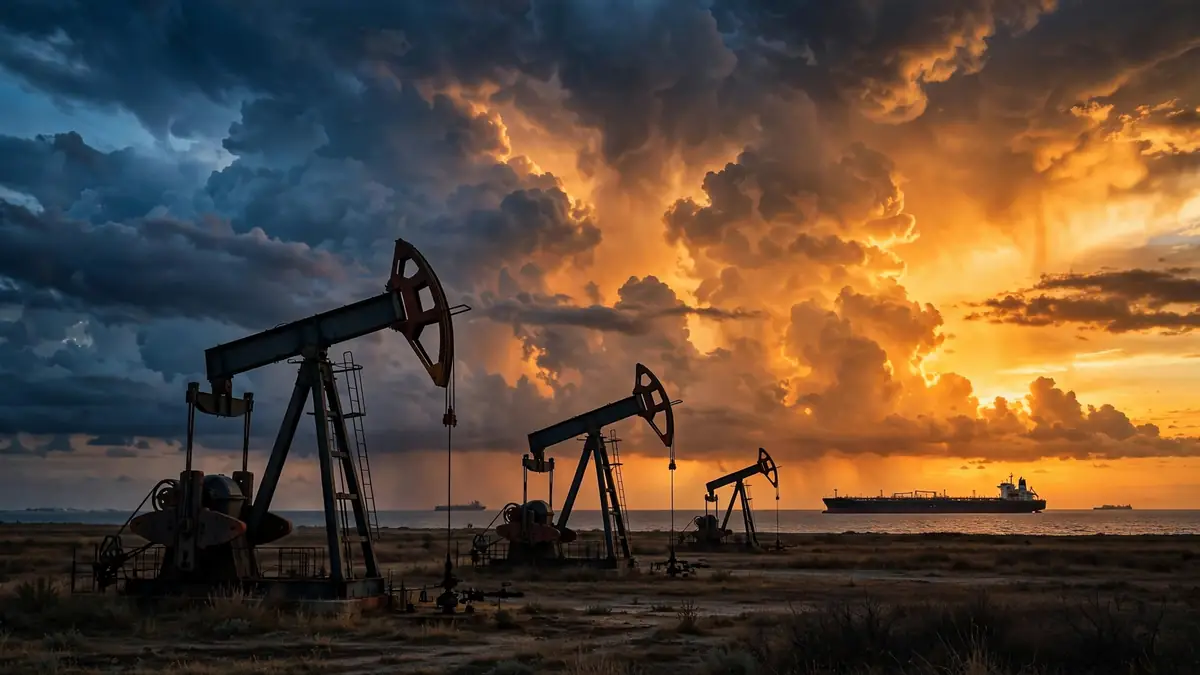
The $105 Oil Shock: How Middle East Tensions Are Rewriting the Rules for Markets, Business, and Borrowers
With Brent crude above $105 and US-Iran tensions flaring around the Strait of Hormuz, the energy shock is driving bond yields to multi-decade highs, squeezing businesses and households, and forcing central banks back into tightening mode.