Volkswagen Group is recalling around four million vehicles across four brands in its largest such action since the Dieselgate scandal, the German newspaper Handelsblatt reported on Friday, September 25, 2026. The cause is almost absurdly small: a single screw in the steering system that can corrode and, in the worst case, leave a driver unable to steer.
According to Germany's KBA road traffic authority, about 2.16 million Volkswagen models and 700,000 Audi models are to be recalled. Handelsblatt reported that the action also includes more than a million vehicles at the group's Czech brand Skoda and 200,000 at its Spanish brand Seat. Seat confirmed its figure; Skoda had no immediate comment on the report.
In an earlier statement, Volkswagen said customers had been asked to bring their vehicles in for repair because of the risk of corrosion involving a screw in the steering system. If left unchecked, the corrosion could compromise the steering's function over time. The company stressed that the recall is a precautionary measure and said replacing the screw takes no longer than an hour. Volkswagen declined to comment on the estimated cost of the campaign.
The defect, explained
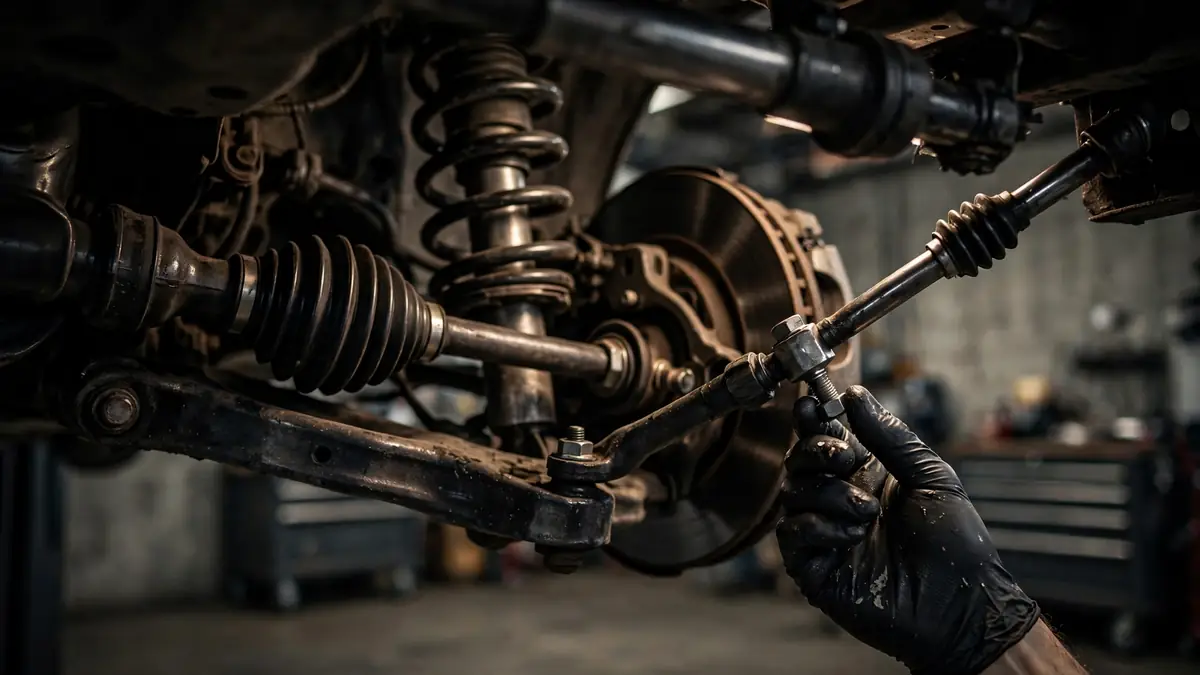
The problem centers on a bolt that fastens the steering rack to the vehicle's subframe. Corrosion at the left-hand-drive steering rack-to-subframe mounting connection can lead to a fracture of the bolt head. If the bolt head fractures, the steering rack remains attached to the subframe by only one mounting point — and continued loading can then fatigue and fracture the steering rack housing itself, which could lead to a loss of steering capability and increase the risk of a crash.
Vehicle testing and field reports indicate that such a housing fracture is most likely to occur during parking or low-speed maneuvering, when steering loads are particularly high. Moisture has been identified as the key factor: it can corrode the bolt and increase the chances of fracture. Owners whose vehicles are included in the recall are advised to listen for unusual metallic rattling or knocking noises coming from the front axle area.
Volkswagen estimates that only around 1 percent of the vehicles included in the US recall are expected to actually have the defect, and the company has said there have been no reported cases in North America. The remedy is to replace the right steering-rack mounting bolt with one coated in a highly corrosion-resistant polymer, which provides enhanced corrosion protection and significantly improves long-term durability.
Which vehicles are affected
The European campaign reaches deep into Volkswagen Group's recent history. For the VW brand, affected cars were built from September 24, 2013, to July 1, 2024, and include popular models such as the Golf, Golf Variant, Tiguan, Touran and Caddy. For Audi, the affected production window runs from October 31, 2017, to May 23, 2024, centered on the Q3. Skoda's share — more than a million vehicles — and Seat's 200,000 cover the Ateca and Tarraco models built between April 2016 and September 2024, according to KBA documents.
In the United States, the picture is smaller but still substantial. Volkswagen confirmed that the US recall involves the 2018–2019 VW Atlas and the 2018 Tiguan, along with the 2019–2021 Audi Q3 — 208,724 vehicles in total out of the nearly four million worldwide. Volkswagen notified US dealers about the recall on September 16, 2026, and owner notifications are scheduled to begin on November 10, 2026. Affected VINs became searchable on September 16.
The recall is free for owners, as all safety recalls are. The repair — an inspection and, where needed, a bolt replacement — takes about an hour at a dealership.
Why this one matters
Scale is the obvious headline: this is Volkswagen Group's biggest recall since Dieselgate in 2015, when the group had to recall more than 11 million cars worldwide over emissions cheating. But the comparison should not be overdrawn. Dieselgate was a deliberate deception; this is a corrosion issue in a fastener, caught and acted upon before any reported accidents. Volkswagen has framed the campaign as preventive throughout, and the record so far supports that framing.
Still, the episode is a reminder of how modern platform engineering concentrates risk. When a single steering-rack design is shared across four brands and more than a decade of production, a single bolt's chemistry becomes a four-million-vehicle problem. The economies of scale that make the MQB platform so profitable are the same economies that turn a small component failure into the largest recall in a decade.
There is also a timing dimension. The recall lands as Volkswagen is executing sweeping restructuring — its supervisory board recently approved major job cuts to counter tariffs, overcapacity and aggressive Chinese competition, and four German plants face an uncertain future. A four-million-vehicle recall is, at minimum, a distraction the group did not need, and at worst a meaningful cost at a moment when every euro of margin is under scrutiny.
What owners should do
If you own a Volkswagen, Audi, Skoda or Seat built within the affected windows, the advice is straightforward:
- Check your VIN. Affected vehicles became searchable on September 16 in the US, and European owners will receive letters from the manufacturer through their dealer.
- Listen for warning signs. Unusual metallic rattling or knocking noises from the front axle area are the identifiable symptom.
- Book the repair. The inspection and bolt replacement take about an hour and are free of charge. US owner letters begin November 10.
Until the repair is done, Volkswagen says it is fine to keep driving — the recall is precautionary, and the company has recorded no accidents or injuries caused by the problem. That said, a steering issue is not the kind of thing to postpone indefinitely. An hour at the dealer is a small price for a component you rely on every time you turn the wheel.
Sources