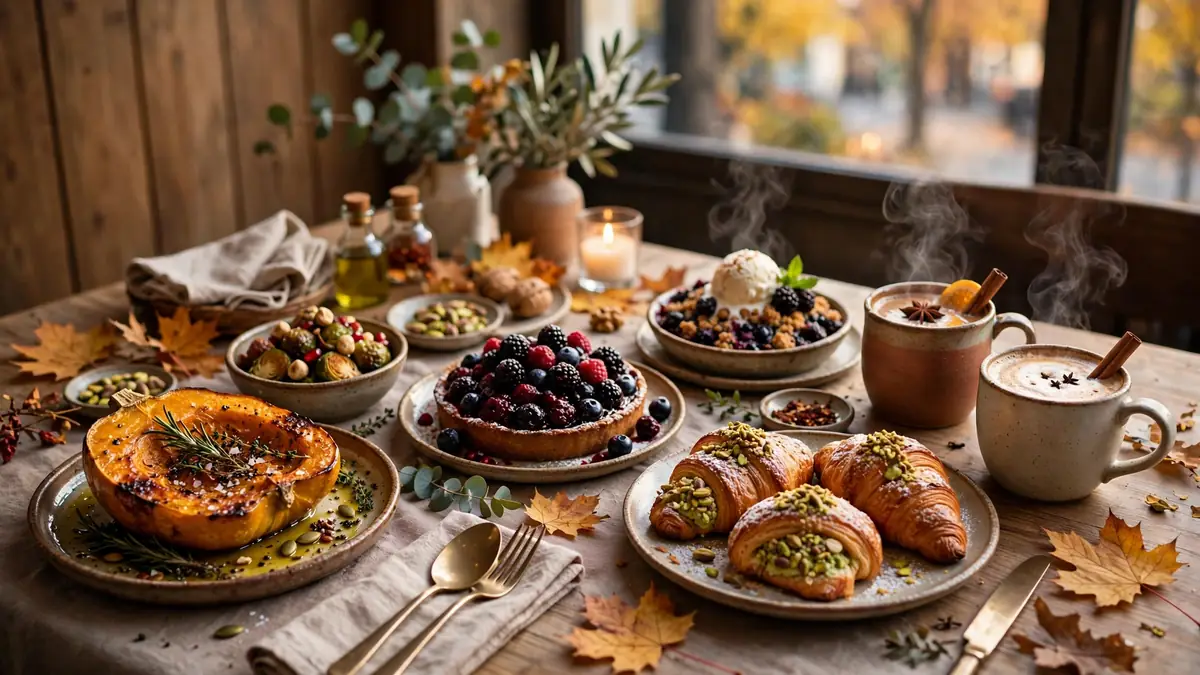
Comfort, but make it complex
Every autumn, restaurant menus turn toward comfort. This year, though, the comfort comes with a twist: the defining direction for fall 2026 menus is comfort plus complexity — familiar warmth deepened with layered, toasty, quietly sophisticated flavours. Pumpkin and apple remain the reigning fall flavours, but they are increasingly sharing the menu with pecan and brown butter, toasted nuts and smoky maple, ingredients that add sweet, complex notes to everything from desserts to sauces and beverages.
The data backs the seasonal pivot. Research cited by Canadian foodservice analysts shows that about 64 per cent of diners choose dishes with seasonal ingredients, and roughly 68 per cent prefer visiting restaurants that update their menus at specific times of the year. The seasonal menu is not just a creative exercise; it is a commercial strategy, and autumn is its most important window.
What is new this year is the refusal to keep things simple. Brown butter — with its nutty, caramelised depth — is migrating from fine-dining kitchens into mainstream fall menus, showing up in everything from roasted vegetable glazes to dessert sauces. Toasted nuts are being treated as a flavour category in their own right rather than a garnish. Smoky maple bridges the sweet-savoury divide that has defined so much recent menu innovation. The message to diners: the cosy flavours you love, rebuilt with more going on underneath.
The mashup era: chaiders and sweet heat
If one word defines fall 2026 drinking and snacking, it is mashup. Unexpected combinations are back on the menu, led by trending drinks like the chaider — a mix of chai and apple cider that fuses two autumn classics into something genuinely new. The chaider works because it is more than a novelty: chai's warming spice architecture and cider's orchard fruitiness were always compatible, and the combination delivers the seasonal hit that both fanbases want.
The mashup logic extends deep into the savoury kitchen, where sweet-and-spicy profiles continue their long advance. Maple or honey paired with global pepper flavours — gochujang, chipotle, harissa — is now a standard move rather than an experiment. The numbers explain why: about 84 per cent of consumers already enjoy spicy food, and the spicy category is growing at almost nine per cent year-over-year. Heat is no longer a dare; it is a default, and fall menus are folding it into seasonal formats from glazed roasted squash to spiced hot chocolates.
For restaurant operators, the mashup trend offers a useful lesson in menu engineering. Combining two familiar things lowers the perceived risk for hesitant diners — a chaider is less intimidating than an unfamiliar single-origin tea — while still delivering novelty. It is innovation with training wheels, and it sells.
Dark fruit takes over
As the weather cools and the days get darker, so too do the fruity notes on the menu. The lighter citrus flavours of summer are giving way to tart, jewel-tone fruits: tart cherry, plum, blackberry, pomegranate. These fruits add sophistication to cocktails and mocktails, complexity to glazes and reductions, and aromatics and texture to the dessert menu.
Leading the charge is black currant, named the 2026 Flavour of the Year. Long a staple of European cordials and preserves but relatively underused in North American mainstream menus, black currant brings an intense, wine-like tartness that reads as grown-up and distinctive. Expect it in cocktail shrubs, dessert compotes, meat glazes and anywhere a chef wants fruit flavour with edge rather than sweetness.
The dark-fruit shift also reflects the season's broader move toward complexity. Tart cherry and pomegranate do not just taste like fruit; they taste like autumn — slightly astringent, deeply coloured, demanding richer accompaniments. Paired with the toasty notes dominating the season, they complete a flavour palette that is unmistakably fall without relying on the pumpkin-spice shorthand.
Pistachio's second act
Pistachio remains popular, but this season it gets an upgrade — paired with unexpected flavours like rose, cardamom, saffron and kataifi. This is part of a broader upscale dessert trend, but it also reflects the still-growing global influences across all menus. The pistachio-rose-cardamom combination draws directly from Middle Eastern and South Asian dessert traditions, while kataifi — the shredded pastry of baklava fame — adds the textural crunch that has become essential to modern plated desserts.
The pistachio makeover is a case study in how a familiar ingredient gets reinvented. Rather than abandoning pistachio for the next novelty nut, chefs are recontextualising it — same ingredient, new cultural frame, more sophisticated pairings. It is a lower-risk form of innovation that still photographs beautifully and still surprises diners who thought they knew what pistachio dessert tasted like.
Grazing, fibermaxxing and functional sips
Perhaps the most structurally significant trends of the season come from Chartwells Higher Education's 2026 Fall Flavor Forecast, which tracks how Gen Z actually eats — and Gen Z's habits have a way of becoming everyone's habits within a few years.
First, the micro-meal revolution: the traditional three meals a day have been replaced by flexible snacking. Between busy schedules and a love for bite-sized foods, younger diners favour smaller, more frequent portions throughout the day. In response, chefs are exploring concepts such as customisable protein bento boxes and snacking street foods like chilli-crisp dumplings and birria tacos that double as micro-meals. "We're crafting dishes that balance bold culinary creativity with what students want, exploring forward-thinking menu options like gut-friendly dining and unique specialty teas that prove nutrition and flavor go hand-in-hand," the company said in its announcement.
Second, functional beverages: drinks are no longer just for quenching thirst. According to Chartwells' 2026 Campus Dining Index, younger consumers favour electrolyte drinks (22%) and prebiotic sodas (14%), informing options such as coconut milk-based beverages, protein coffee and drinks designed to support gut health, hydration and electrolyte replenishment. Botanical and global teas are the season's other beverage story, with specialty teas ranking fourth as a preferred beverage choice — earthy, internationally inspired profiles like butterfly pea, jasmine, matcha and chai offering a fresh take on traditional fall drinks.
Third, fibermaxxing: healthy eating has shifted from a general preference to a highly targeted lifestyle. Driven by the viral social media trend of "fibermaxxing," diners continue to seek out meals that support digestion and maximise fibre intake. With the dining index indicating high demand for gut-friendly (12%) and high-fibre (11%) diets, chefs are prioritising fibre-rich grains and prebiotic, functional ingredients in recipe development. Wellness is no longer a menu section; it is a design principle.
Value is the new luxury
Running beneath all of these flavour trends is an economic one: the quest for value. Industry watchers report that diners are less interested in fleeting flashiness and more eager for experiences they see as genuine — a mood some are calling "grandmacore," a nostalgic embrace of unfussy, heritage cooking. Chewy textures are having a moment, and vinegar is tipped for a breakout year, thanks to its varied uses in everything from salads to cocktails.
The dessert world has its own verdict: cinnamon rolls are the 2026 Dessert of the Year, according to hospitality tracker AF & Co. — already hot in markets like Baton Rouge, where bakeries are bedazzling them with candies, cookies and cereal. The cinnamon roll is the perfect emblem of the season's thesis: maximum comfort, endlessly customisable, unpretentious and affordable.
Restaurants will continue to face rising costs on everything from food to labour to insurance, and consumers will feel those price hikes acutely in steak and other beef dishes and in bar menus. That does not mean patrons will stop spending — just that they want to feel it is worth it. Fall 2026's menus answer that demand with unusual clarity: deep flavour, genuine novelty, visible wellness credentials and honest value, all on one plate.
Sources